
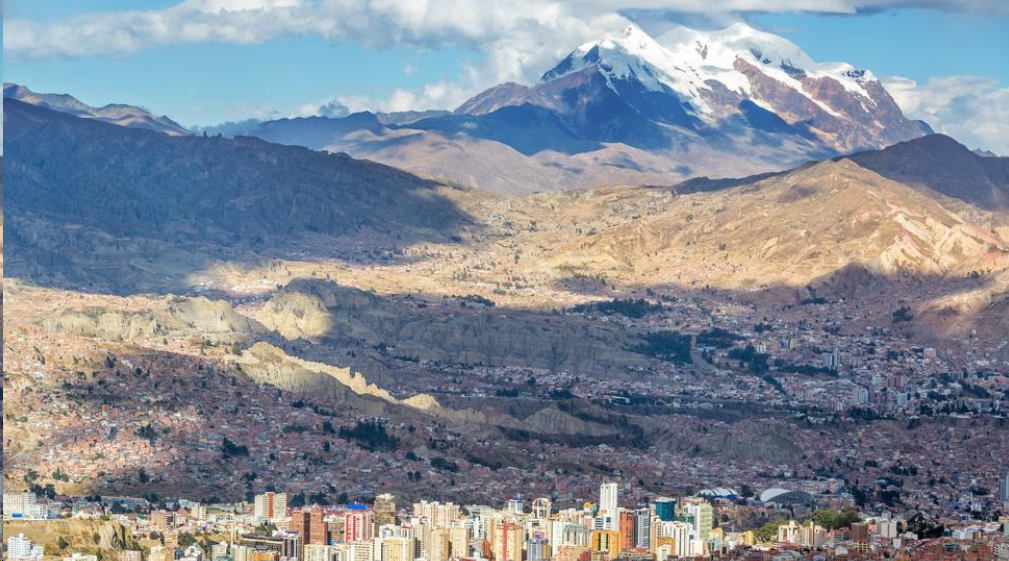
La Paz, Bolivia
Where? Perched at 3,650 meters above sea level on the Altiplano plateau of the Andes, La Paz is the world’s second-highest capital. Its dramatic landscape features buildings carved into mountainsides, blending Spanish colonial architecture with modern structures like a massive 40,000-seat sports arena. The city’s cultural heartbeat thrives amid these contrasts, offering a gateway to Bolivia’s rich indigenous heritage and contemporary creativity.
Why Now? La Paz has surged as a hotspot for intrepid travelers, thanks in part to recent openings of stylish, design-forward accommodations. These properties blend avant-garde aesthetics with Bolivian artistry, featuring locally sourced materials, rooftop infinity pools, and restaurants celebrating indigenous ingredients. The city itself is a living mosaic—where traditional markets coexist with vibrant street art and a burgeoning culinary scene.

When to Go? The ideal window is October–November or April–May, avoiding the heavy rains (December–March) that bring potential road closures. During these shoulder months, temperatures hover between 5°C and 13°C, offering crisp days perfect for exploration. Winter (June–September) is drier but colder, with nighttime lows near freezing.
Who to Take? Adventurous souls who relish the unconventional. La Paz rewards those curious about indigenous traditions, high-altitude trekking, and immersive cultural exchanges—think exploring ancient rituals at mystical markets or sipping local cocktails at a rooftop bar.
Most Likely to Bump Into Backpackers en route to the Andes or Amazon, outdoor enthusiasts prepping for mountain climbs, and photographers captivated by the city’s surreal vistas. Don’t be surprised to cross paths with local women in traditional attire, emblematic of Bolivia’s resilient indigenous identity.
Don’t Miss
- The Witches’ Market: Vendors here sell herbal remedies and mystical charms. Engage respectfully—some rituals are sacred, and photography may require permission.
- Cable Car Network: Soar above the city in bright gondolas for panoramic views of snow-capped peaks and sprawling neighborhoods.
- Valle de la Luna: A labyrinth of eroded clay formations resembling an extraterrestrial landscape, just 30 minutes from downtown.
Essentials to Pack
- Altitude aids: Medication can help combat altitude sickness, but gradual acclimatization is key.
- Layered clothing: Days can be sunny, but temperatures plummet after dark.
- Reusable water bottle: Stay hydrated to offset the thin air.
How to Get There From Europe or North America, expect a 20+ hour journey with layovers in major transit hubs. Flights to the city’s high-altitude international airport typically cost £650–£900 round-trip. For a smoother arrival, consider adjusting gradually by spending a night in lower-altitude cities first.

Pro Tip: Dive into the evolving food scene—try street snacks like grilled skewers or book a table at a local restaurant showcasing Amazonian ingredients through innovative cuisine.
You May Also Like

Dzita Lagoon Eco Retreat, Ghana

Lady Carole Bamford: Earth Alchemist
