
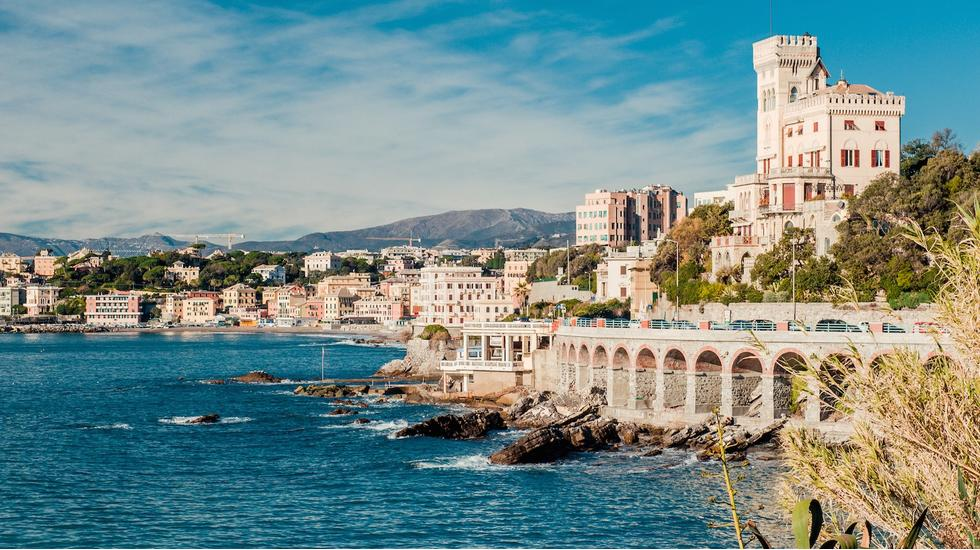
Genoa: Italy’s Soul-Stirring Port of Timeless Contrasts
Where? Nestled between the Ligurian Sea and the Apennine slopes, Genoa is a city where medieval grit collides with Renaissance grandeur. Its labyrinthine caruggi (narrow alleys) weave through UNESCO-listed Rolli palaces, while the revamped Porto Antico—transformed by architect Renzo Piano—pulsates with modernist energy. This maritime titan, once the heart of a 12th-century trading empire, now balances ancient stone facades with avant-garde landmarks like the Bigo crane and Europe’s largest aquarium.
Why Now? Genoa is shedding its industrial veneer to reclaim its title as the Riviera’s best-kept secret. The port, undergoing a €1 billion expansion to accommodate megaships by 2026, symbolizes the city’s rebirth. Yet its soul remains intact: family-run trattorias still serve pesto crafted from Ligurian basil, and artisans hand-roll trofie pasta as they have for centuries. New design-forward hotels, like Palazzo Durazzo, are breathing life into Baroque palaces, while the restored Via Garibaldi dazzles with gold-leafed salons.
When to Go For sun-drenched exploration, May–August delivers balmy 22–28°C days cooled by sea breezes—ideal for coastal hikes or lazy afternoons in Boccadasse, the pastel-hued fishing enclave. Though summer draws crowds, Genoa remains blissfully untouched compared to overrun Cinque Terre. Winter (November–February) unveils a quieter charm, with misty mornings perfect for sipping espresso in vaulted caffè storici.
Who to Take Romantics and history addicts. Wander hand-in-hand through the frescoed halls of Palazzo Rosso, share focaccia al formaggio at dawn in the Mercato Orientale, or charter a sunset sail to Portofino. The city’s layered narratives—from Christopher Columbus’ childhood haunts to Piranesi-esque staircases—demand a partner equally enchanted by whispers of the past.
Most Likely to Bump Into Salt-weathered fishermen mending nets in the Old Port, nonnas debating the merits of prescinseua cheese at local markets, and architecture students sketching the black-and-white stripes of San Lorenzo Cathedral. At dusk, join artists and philosophers at Spianata Castelletto, the panoramic terrace where Aperol spritzes meet 360° views of terracotta rooftops plunging into the sea.
Don’t Miss
- Trofie al Pesto: Taste the soul of Liguria in this iconic dish—twisted pasta tossed with pesto made from basil grown in Prà’s volcanic soil. For a winter twist, seek out trofie di castagne (chestnut flour pasta) paired with a parsley-borage pesto, a lesser-known local tradition.
- Boccadasse’s Twilight Magic: Arrive early to snag a rock perch on the pebble beach, then toast with a glass of pigato wine as waves lick pastel buildings aglow in amber light.
- The Secret Modernism of Forte Quezzi: This overlooked 1950s housing complex, dubbed an “eco-monster” by critics, is a Brutalist love letter to Le Corbusier, with ribbon windows framing sea vistas once reserved for the elite.
Essentials to Pack
- Sturdy walking shoes: Genoa’s steep creuze (coastal paths) and uneven cobblestones demand grip.
- A linen shirt: Blend in with the effortlessly chic locals while staying cool under the Mediterranean sun.
- Reusable market bag: For hauling fresh taggiasche olives and packets of farinata (chickpea flatbread) from hole-in-the-wall bakeries.
How to Get There Fly direct to Cristoforo Colombo Airport (20 minutes from downtown) or hop on a 1.5-hour train from Milan. For a cinematic approach, take the 2-hour coastal railway from Cinque Terre—the route carves through cliffs and tunnels, offering glimpses of hidden coves where turquoise waters meet vine-striped hills.


You May Also Like

RACIL’s Insider Guide to Mykonos

The Neon Playground: Your Guide to Las Vegas By Harper Collins
