
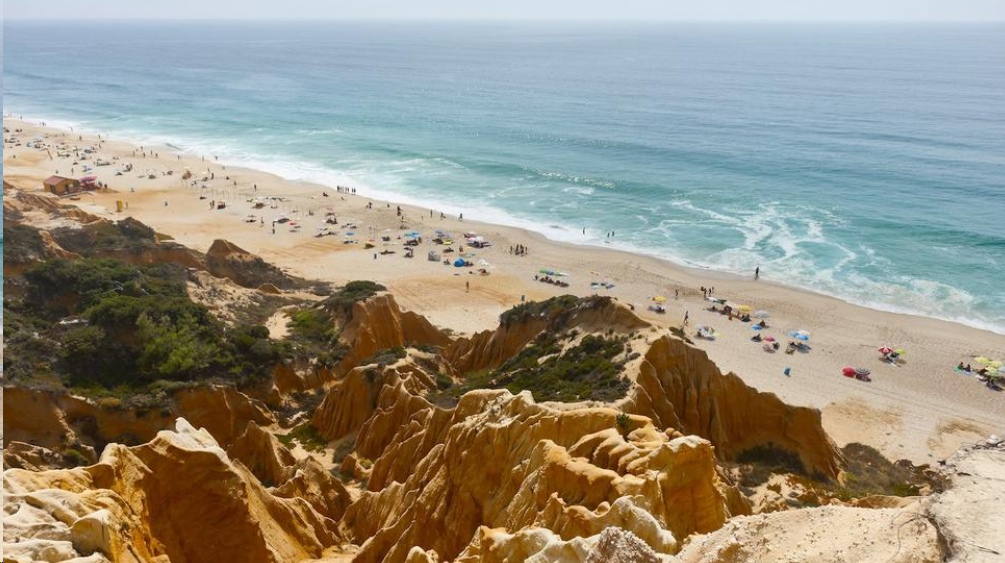
Comporta, Portugal: A Hidden Coastal Eden of Wild Beaches and Rustic Elegance
Where? Nestled along the Alentejo coast, 90 minutes south of Lisbon, Comporta is a mosaic of seven villages scattered across 12,500 hectares of protected dunes, rice paddies, and cork oak forests. Its untouched beaches stretch for miles, framed by the Sado Estuary—a sanctuary for flamingos, dolphins, and migratory birds. Think of it as Portugal’s answer to the Hamptons, but with a soulful blend of bohemian charm and unspoiled nature.

Why Now? Comporta has quietly become a refuge for the chic yet low-key traveler. While it’s long been a favorite among European creatives and surfers, recent years have seen a surge in discreet luxury—think boutique cabanas, farm-to-table dining, and design-forward villas like Villa Carragueira (sleeps 14, with private pools and tennis courts). The area’s “rustic-chic” ethos is crystallized at Sublime Comporta, a 17-acre retreat offering beachfront cabanas, organic dining, and a two-story gym. Yet, despite its growing allure, Comporta retains its off-the-radar magic, free from mass tourism.
When to Go? Aim for May–October for sun-soaked days and balmy evenings. July and August buzz with energy, but September offers quieter beaches and golden light. Avoid winter’s heavy rains (November–April), though this season rewards solitude seekers with misty dunes and storm-watching from cozy lodges.
Who to Take? Your most discerning friend—the one who values slow travel over Instagram crowds. Comporta is perfect for couples seeking romance, families craving unstructured beach days, or solo travelers hungry for introspection.
Most Likely to Bump Into A mix of Lisbon’s art crowd, tanned surfers chasing Atlantic swells, and European designers sourcing inspiration from the landscape. Don’t be surprised to spot storks nesting on cliffs or locals selling handwoven baskets at the weekly market.
Don’t Miss
- Horseback Riding with Cavalos na Areia: Trot through rice fields or gallop along Carvalhal Beach at sunset. Their tours blend adventure with the region’s pastoral heritage.
- Kayaking the Sado Estuary: Paddle past salt marshes and spot resident dolphins at dawn.
- Fisherman’s Trail (Rota Vicentina): Hike or bike this coastal path for cliffside vistas and hidden coves like Praia da Torre, where seafood shacks serve grilled octopus with chilled vinho verde.
- Sublime Beach Club: Sip aperitivos under straw parasols and feast on squid-ink paella overlooking the Atlantic.
- Melides Village: A short drive away, this artsy enclave offers ceramic studios and Cavalariça, a restaurant in a converted horse stable serving Alentejo pork with clams.
Essentials to Pack
- Eco-friendly mosquito repellent: The Sado River’s wetlands are a bug hotspot.
- Linen layers: Days are warm, but ocean breezes chill evenings.
- Reusable tote: For market hauls of olive oil, tinned sardines, and azulejo-patterned ceramics.
How to Get There Fly into Lisbon Airport, then rent a car (a must for exploring—book via Discover Cars for reliability). Private transfers take 90 minutes and cost ~€150-€200; shared shuttles are cheaper but less flexible. For a seamless arrival, spend a night in Lisbon to acclimate before diving into Comporta’s serenity.
Pro Tip: Pair your stay with a road trip through Alentejo—visit Évora’s Roman ruins or Monsaraz’s hilltop fortress for a deeper dive into Portugal’s soul.


You May Also Like

Costa Rica’s Southern Pacific: Where Jungle Canopy Meets Architectural Alchemy

Alicia Rountree’s Insider Guide to Mauritius
