
Michaela DePrince: A Pirouette Against Destiny
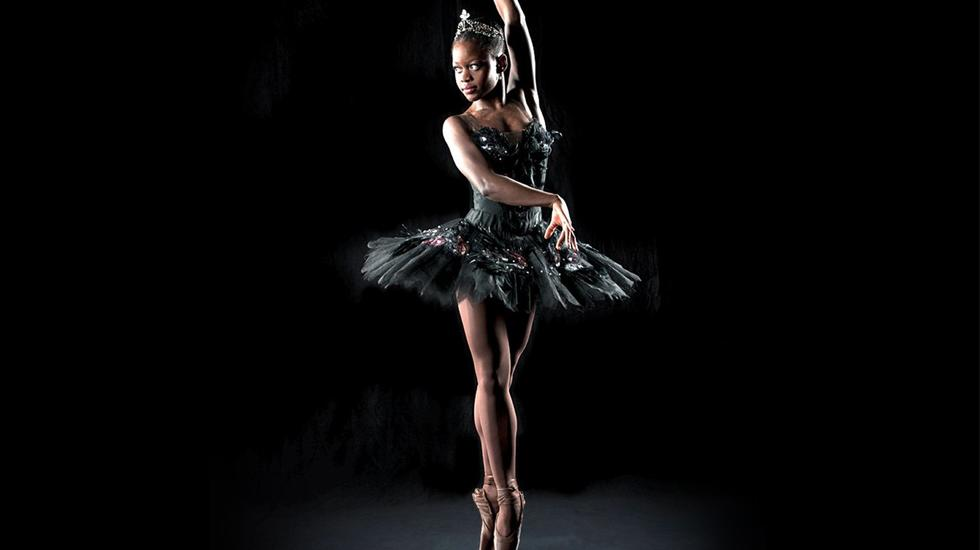
From the ashes of Sierra Leone’s civil war to the world’s grandest stages, Michaela DePrince’s life reads like a ballet libretto—one where resilience pirouettes above despair. Her journey, marked by unimaginable trauma and transcendent triumph, redefined what it means to rise en pointe against fate.
The Spark in the Rubble
Born Mabinty Bangura, her childhood was shattered at three: her father killed by rebels, her mother succumbing to starvation to save her. Labeled “Number 27” in an orphanage, where vitiligo earned her the cruel moniker “devil’s child,” survival seemed a distant dream. A tattered magazine page became her lifeline—a photograph of a radiant ballerina mid-leap. “She looked happy,” Michaela later recalled. “I thought if dance made her happy, it could save me too.” That fragile scrap of paper, hidden in her underwear, ignited a fire that would outlast war’s darkness.
Adopted by an American family at age four, she traded Sierra Leone’s chaos for New Jersey’s ballet studios. Her adoptive parents nurtured her obsession, enrolling her in classes where she channeled trauma into technique. By 17, she became the youngest dancer at Harlem’s Dance Theatre, her story immortalized in the documentary First Position and memoir Taking Flight.
Battling Shadows on Stage
Ballet’s ivory towers proved exclusionary. “In America, my skin was a barrier,” she admitted. Rejected by classical companies for being “too Black,” she found refuge in Amsterdam’s Dutch National Ballet at 20. There, talent eclipsed prejudice: promoted to coryphée within three years, she shattered hierarchies. “In the Netherlands, my race didn’t define my arabesques,” she reflected. Yet the sting of her adopted homeland’s rejection lingered: “It breaks my heart, but I dance for those who see me, not my color.”
Her vitiligo, once a mark of shame, became a badge of defiance. “I wanted Black girls to see their beauty in my skin,” she told SUITCASE. Inspired by civil rights icon Ruby Bridges, she vowed to be ballet’s integration pioneer—a promise fulfilled through roles at Boston Ballet and advocacy as a War Child Ambassador.
Legacy in Motion
Michaela’s philosophy transcended pliés and pirouettes. Her memoir distilled three mandates: persist through adversity, give back fiercely, and educate girls to uplift nations. She dreamed of founding a free arts school in Sierra Leone, declaring, “Artistry isn’t a luxury—it’s oxygen for the soul.”
Tragically, her crescendo ended abruptly. In September 2024, at 29, Michaela passed away, leaving a void in global dance. Tributes flooded in: Boston Ballet hailed her as “a radiant force,” while fans mourned the silencing of a voice that redefined ballet’s boundaries.
Final Bow, Eternal Encore
To those labeled “Number 27,” Michaela’s counsel echoes: “Refuse to be ranked. Claim your spotlight.” Her story, a mosaic of grit and grace, proves that ballet’s true power lies not in perfection, but in its capacity to alchemize pain into art.
As curtains fall, her words linger: “Celebration is overcoming—and dancing joy into existence.” In every grand jeté across Amsterdam’s stages or Boston’s theaters, Michaela DePrince’s legacy soars—a testament to the pointe shoe’s power to puncture ceilings and heal hearts.


You May Also Like

Vertigo & Vision: Paris’ Skybound Alchemists

Mont Saint-Michel: A Timeless Island Fortress
